
Waarom CNC-bewerking en TIG-lassen combineren voor op maat gemaakte roestvrijstalen onderdelen?
Bij het ontwerpen van complexe vloeistofsystemen, zware machines of hygiënische voedselverwerkingsapparatuur is componentfalen geen optie. Ingenieurs staan vaak voor een cruciaal productiedilemma: hoe bereik je de extreme maatnauwkeurigheid van een machinaal bewerkt onderdeel met behoud van de structurele integriteit en lekvrije eigenschappen van een zwaar gelaste constructie?
Bij Huapusheng (HPS) lossen we dit op door twee geavanceerde productiedisciplines met elkaar te verbinden. Laten we eens kijken waarom de combinatie van beide zo belangrijk is. CNC-bewerking met deskundig TIG-lassen is de ultieme oplossing voor de productie van hoogwaardige, op maat gemaakte roestvrijstalen onderdelen.
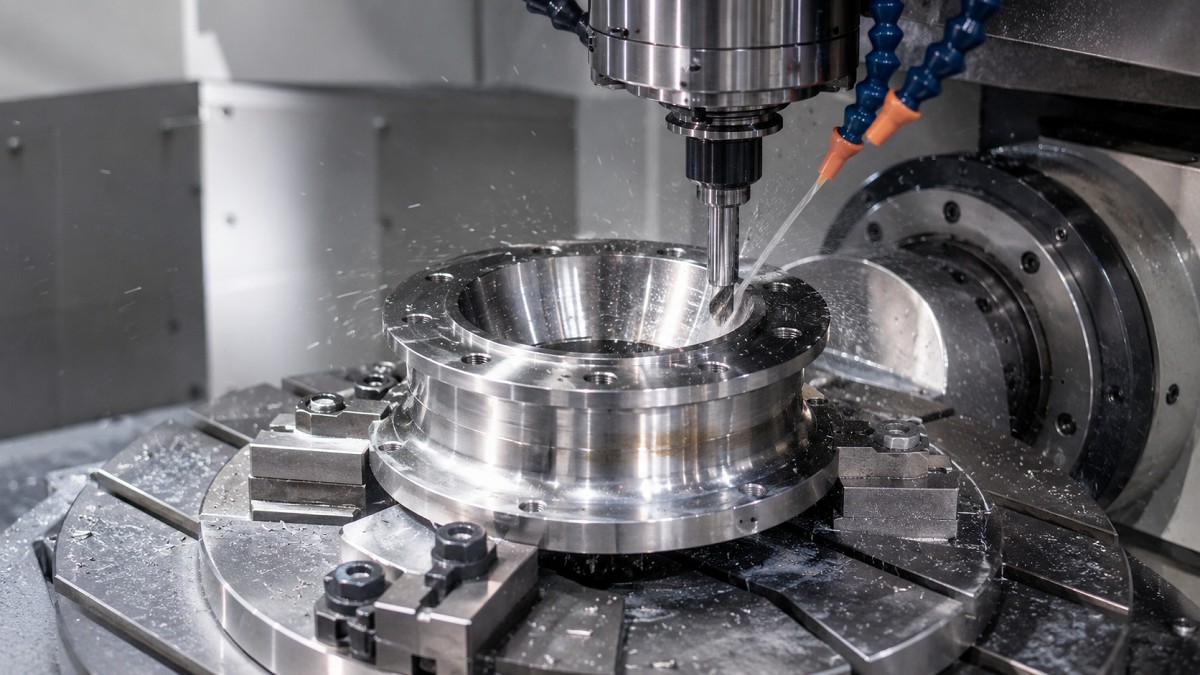
Roestvrij staal (vooral soorten zoals 304 en 316L) staat bekend om zijn enorme hardheid. Het hardt snel uit en vereist nauwkeurig gereedschap om het precies te kunnen bewerken. Om een betrouwbare montagebasis te creëren, maken we gebruik van geavanceerde CNC-frees- en draaicentra.
Bij deze stap draait alles om uiterst nauwkeurige toleranties. Of het nu gaat om het bewerken van een perfect vlak oppervlak voor een pakkingafdichting, of om het boren en tappen van complexe schroefdraadprofielen, Nauwkeurig CNC-gefreesde metalen onderdelen Wij garanderen dat uw componenten tijdens de eindmontage perfect aansluiten op de bijbehorende hardware. We hanteren standaard toleranties van +/- 0,05 mm nog voordat de lasfase begint.
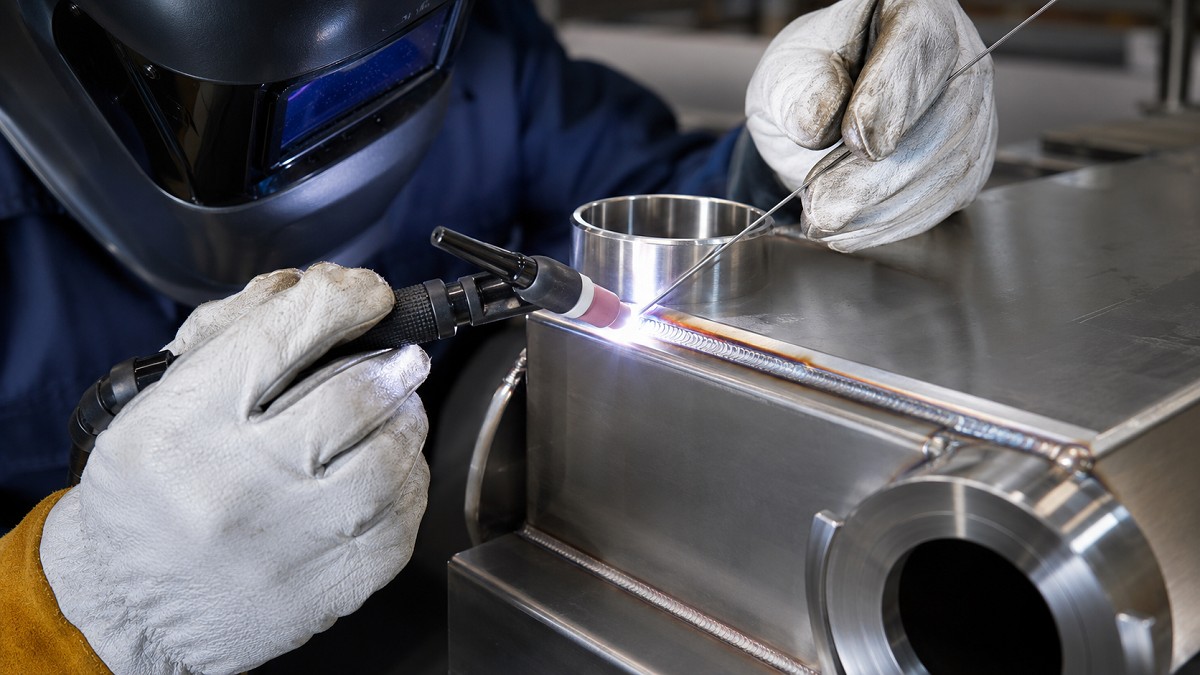
Nadat de precisiebasis en secundaire componenten (zoals cilindrische nokken of buizen) zijn gefreesd, moeten ze worden verbonden. Voor roestvrij staal is TIG-lassen (Tungsten Inert Gas) de onbetwiste gouden standaard. In tegenstelling tot MIG-lassen biedt TIG-lassen ongeëvenaarde controle over de warmte-inbreng en de manipulatie van het smeltbad.
Door samen te werken met een professional OEM-lasservice voor roestvrij staalIngenieurs zorgen ervoor dat de verbindingen niet alleen structureel robuust zijn, maar ook volledig lekvrij. Een zeer bekwame TIG-lasser creëert een schone, spatvrije lasnaad die bestand is tegen corrosie en moeiteloos strenge penetratie- en druktesten doorstaat.
De grootste uitdaging bij het combineren van deze twee processen is thermische vervorming. Het toepassen van intense laswarmte op een nauwkeurig bewerkte vlakke plaat kan ervoor zorgen dat het metaal kromtrekt, waardoor de CNC-toleranties direct verloren gaan.
Bij HPS hanteert ons engineeringteam strikte DFM-principes (Design for Manufacturability). Door gebruik te maken van gespecialiseerde lasmallen, de lasvolgorde te controleren en soms nabewerking toe te passen, voorkomen we vervorming. Deze naadloze integratie van processen is precies hoe we een perfect product vervaardigen. Op maat gemaakte flenslasconstructie van roestvrij staal dat geen enkele aanpassing door de klant na levering vereist.
Inzicht in de mogelijkheden van OEM's helpt bij het ontwerpen van betere onderdelen. Hieronder vindt u onze standaardparameters voor op maat gemaakte roestvrijstalen assemblages:
| Productieparameter | Specificaties en mogelijkheden |
|---|---|
| Primaire materialen | 304, 304L, 316, 316L roestvrij staal, koolstofstaal |
| CNC-toleranties | Tot +/- 0,05 mm (ISO 2768-m of nauwkeuriger op aanvraag) |
| Lasmethoden | Precisie TIG (GTAW), MIG (GMAW), robotlaserlassen |
| Nabewerking na het lassen | Lasnaden slijpen, spanningsarm gloeien |
| Oppervlaktebehandelingen | Zuurpassivering, elektropolijsten, zandstralen, fijnborstelen |
Door precisie-CNC-bewerking te combineren met deskundig TIG-lassen, kunnen ingenieurs de beperkingen van enkelvoudige productieprocessen overstijgen. Dit levert componenten op die zowel dimensionaal perfect als structureel onverwoestbaar zijn. Wanneer uw project dit niveau van compromisloze kwaliteit vereist, zorgt een samenwerking met een volledig geïntegreerde faciliteit zoals HPS ervoor dat uw ontwerpen feilloos worden uitgevoerd, van de eerste snede tot de laatste las.
 Vraag nu een offerte aan


 IPv6 NETWERK ONDERSTEUND
Laat een bericht achter
Scannen naar Wechat :

Scannen naar WhatsApp :

Hi! Click one of our members below to chat on

 English
 Français
 Deutsch
 Русский
 Italiano
 Español
 Nederland
 日语
日语 한국어
한국어 Svenska